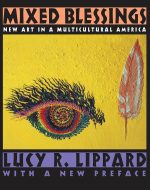
In America today there is a little-known explosion of creative art by women and men from many different ethnic backgrounds. Mixed Blessings is the first book to discuss the crosscultural process taking place in the work of Latino, Native-, African-, and Asian-American artists. Rich with illustrations of artworks in many different mediums, and filled with incisive quotes and unsettling reports, it is more than a book about art, it is a complex meditation on the relationships of people to their cultures.
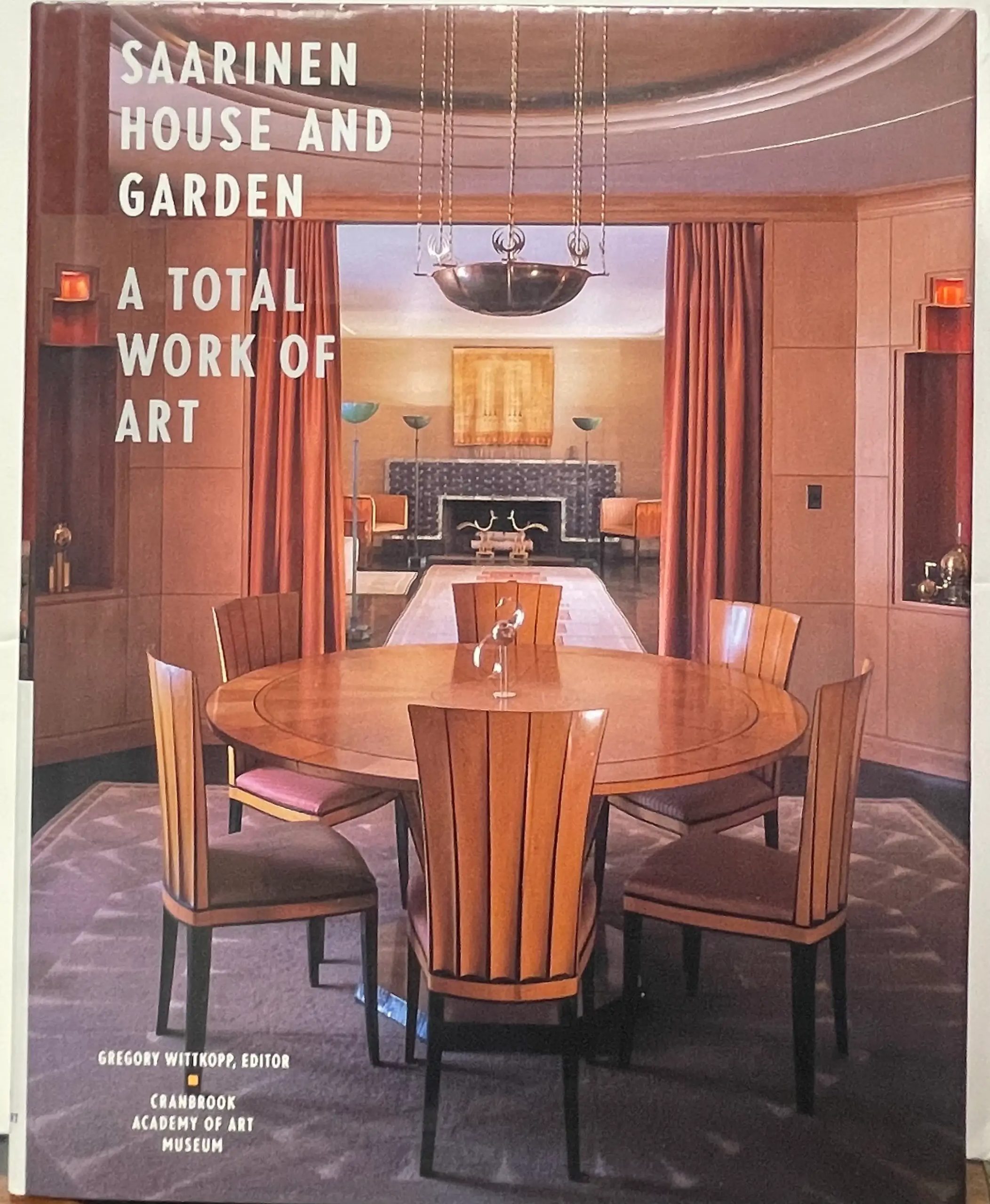
Saarinen House and Garden: A Total Work of Art
Edited by Gregory Wittkopp and Diana Balmori (1995)
Certainly one of the most overlooked works of modern architecture, the Saarinen house, which this book documents in splendid detail, is perhaps the crowning work of Finnish architect Eliel Saarinen during his years at Cranbrook. Thanks to the recent restoration of the house and garden, we can now see his vision of TOTAL design; from the flatware to the tapestries to the furniture to the door handle to the landscape.
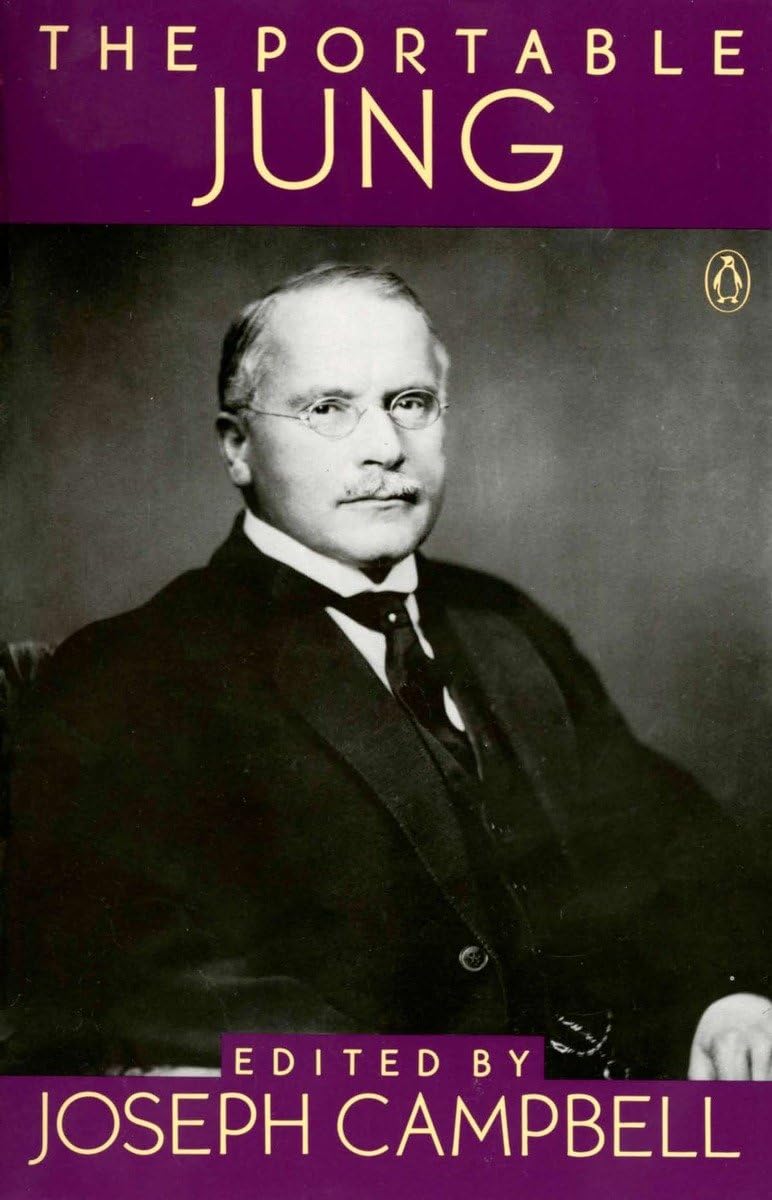
The Portable Jung
Edited by Joseph Campbell (1971)
In making this masterful selection from the vast corpus of Carl Jung’s writings, Joseph Campbell has aimed to introduce the elementary terms and themes of analytical psychology and to provide an overall understanding of the scope and direction of Jung’s entire works.
The Print in the Western World: An Introductory History
While teaching the history of the print, Hults felt constrained by the lack of a scholarly chronological introduction to the matter. Her solution: the creation of this well-organized, exhaustively researched volume, which may well become a bible in its field. Her subject isn’t limited to technical aspects of printed media (woodcuts, etching, engraving, drypoint, aqua- and mezzotints, lithographs, silk-screens, etc.). She also examines the cultural and economic forces behind each medium as it developed, the personal goals of individual artists and cultural events influencing their times. From Christian souvenirs at early pilgrim sites to Communist agitprop; from prints made for renaissance patrons to mass editions marketed to the middle and lower classes of the industrial age, Hults treats (and illustrates) them all. The book is meticulously annotated and indexed and incorporates commentary from other art historians. Female artists and writers are also given their due. Beyond the overwhelming scholarship, this is a work to be read. Hults’s prose has a clarity, rhythm and range of shading that complement the prints she describes.
Living with Music: Ralph Ellison’s Jazz Writings
Ellison (1914-94) developed his love of music during his childhood in Oklahoma City, a bastion of Southwestern jazz in the 1920s and 1930s and the home of Jimmy Rushing, Charlie Christian, and the famous Blue Devils. As a young man, he lived with music, listening to it, analyzing it, and mingling with performers in the hopes of becoming one himself (he became a trumpeter). As editor O’Meally makes clear, jazz influenced both his thinking and writing. This fine collection consists mainly of previously uncollected jazz writings, among them “On Bird, Bird-Watching, and Jazz” and “Homage to Duke Ellington on His Birthday.” These interesting and highly personal pieces offer details about a bygone era as well as insights into the formation of Ellison’s mind and the writing of Invisible Man and other fiction in which jazz and its processes figured so strongly.
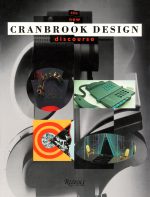
Cranbrook Design: The New Discourse
Katherine and Michael McCoy (1990)
A book that documents Cranbrook’s Design Department faculty, student, and alumni work from 1980-1990. Although not defined by a style, the Cranbrook design philosophy has been influential in product, graphic and furniture design. Products have been treated as sensual objects to be interpreted. “We’ve tried to recognize that products carry the mythology of the culture,” said Michael McCoy, chairman of the design department with his wife, Katherine.
Design in America: The Cranbrook Vision, 1925-1950
Edited by Robert Clark and Andrea Belloli (1984)
As Neil Harris explains in one of the book’s most interesting essays, Cranbrook derived from the arts and crafts movement that started in mid- 19th-century England as a reaction against shoddy industrial output and that, spreading speedily through northern Europe, resulted in the foundation of several schools aimed at reforming design by relating it more to art and life.
The Cranbrook complex, consisting of a church, schools for children, residences, studios and workshops, took about nine years to complete, by which time it had become – not an art school, but, in the words of the architect Eliel Saarinen, ”a working place for creative arts.” The emphasis, says Robert Judson Clark in his essay, was more on ”place, people and experience than on curriculum and methods.” Still, during World War II, this shifted to more orthodox concerns – credits, degrees and specific courses in, for instance, industrial design.
The influence of the Saarinens diminishes as the first generation of Cranbrook students comes of age, in the 1940s. The students include Ray and Charles Eames, represented by architecture and furniture; Florence Knoll, with interiors, and Harry Bertoia, with welded-metal sculptures.
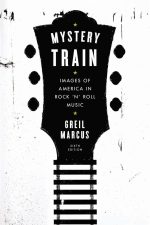
Mystery Train: Images of America in Rock-n-Roll
More than 20 years after its initial publication, Mystery Train remains one of the smartest, most provocative books ever written about rock-and-roll. Marcus puts his subjects–which include Robert Johnson, Elvis Presley, The Band, Randy Newman, and Sly Stone–into their proper context, which is the culture-at-large. He makes you understand why these musicians matter, and what they’ve contributed to the American imagination.
A People’s History of the United States
Consistently lauded for its lively, readable prose, this revised and updated edition of A People’s History of the United States turns traditional textbook history on its head. Howard Zinn infuses the often-submerged voices of blacks, women, American Indians, war resisters, and poor laborers of all nationalities into this thorough narrative that spans American history from Christopher Columbus’s arrival to an afterword on the Clinton presidency.
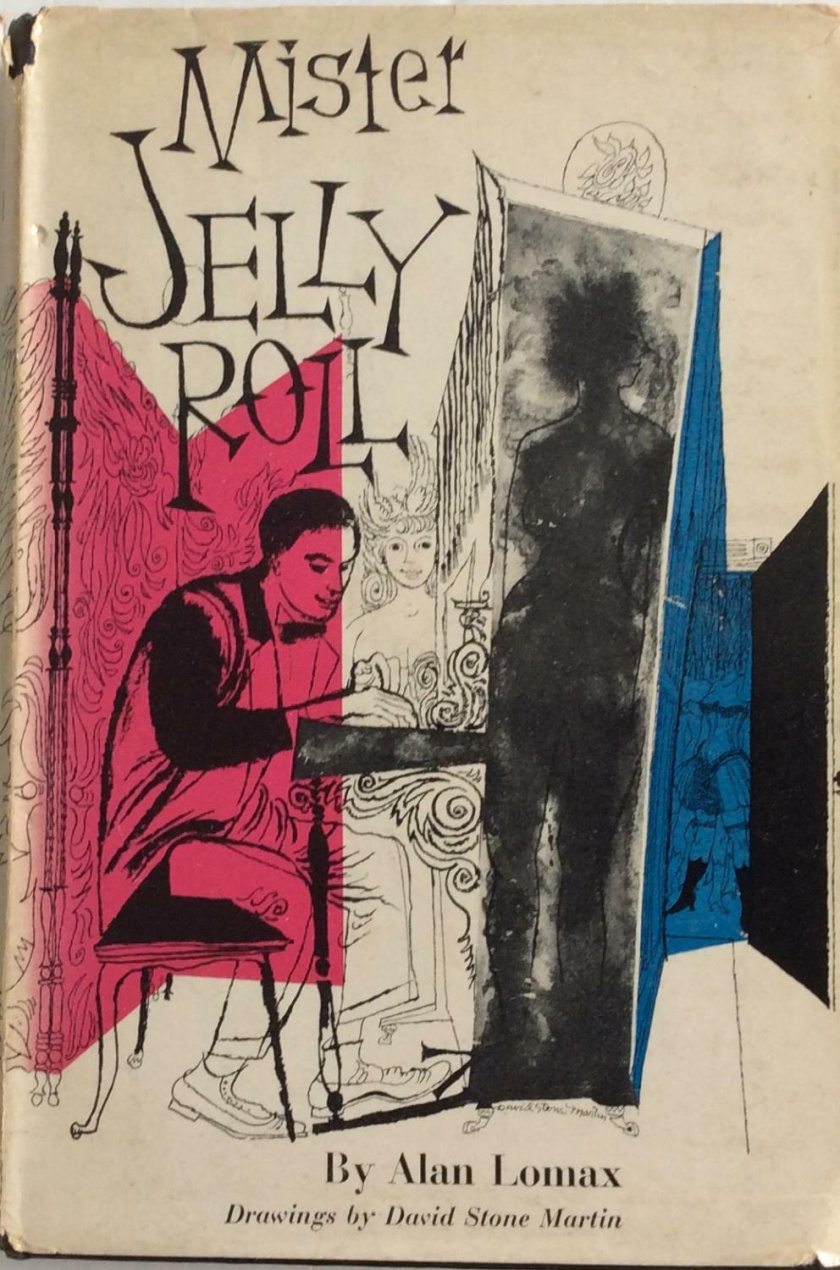
Mr. Jellyroll
When it appeared in 1950, this biography of Ferdinand “Jelly Roll” Morton became an instant classic of jazz literature. Jelly Roll’s voice spins out his life in something close to song, each sentence rich with the sound and atmosphere of the period in which Morton, and jazz, exploded on the American and international scene.